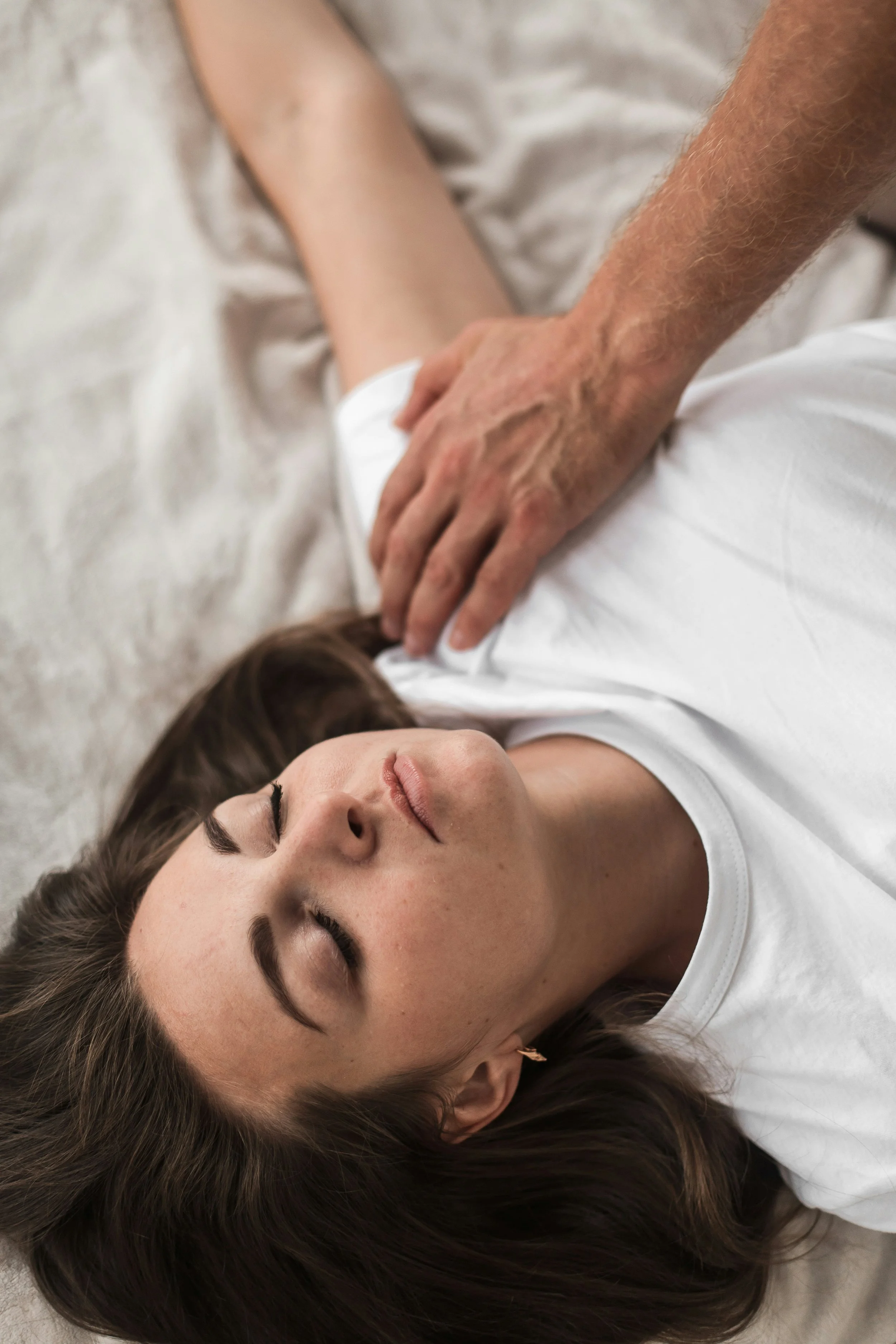
Stretching, Mobility & Flexibility Techniques
Flexibility and mobility are related, but they are not exactly the same. Flexibility generally describes the ability of muscles and other soft tissues to lengthen, while mobility involves the ability to move comfortably and effectively through an available range of motion.
At Bella Vida Wellness, stretching and mobility techniques are selected based on your individual movement needs rather than simply applying the same stretches to everyone.
Assisted Therapeutic Stretching
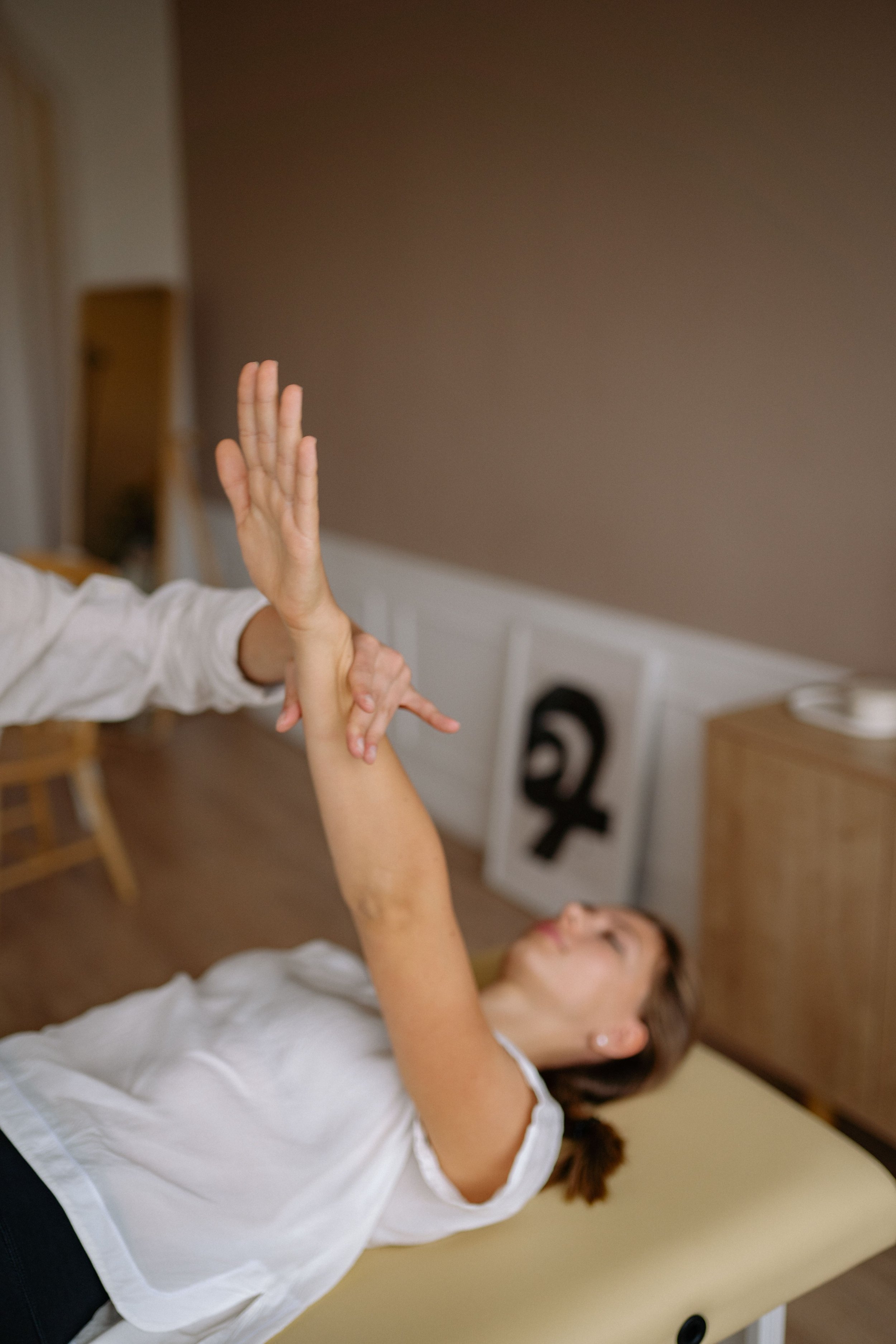
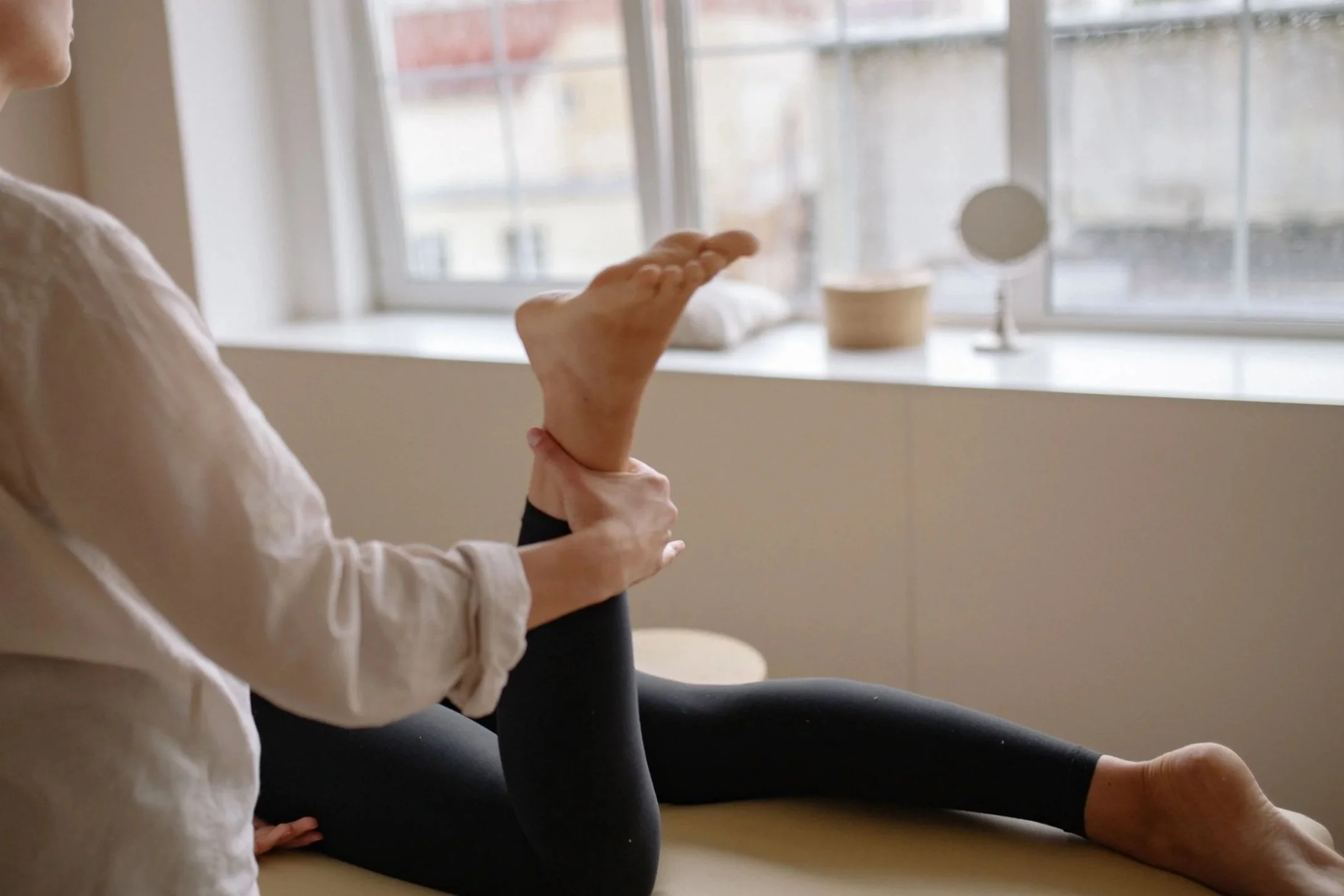
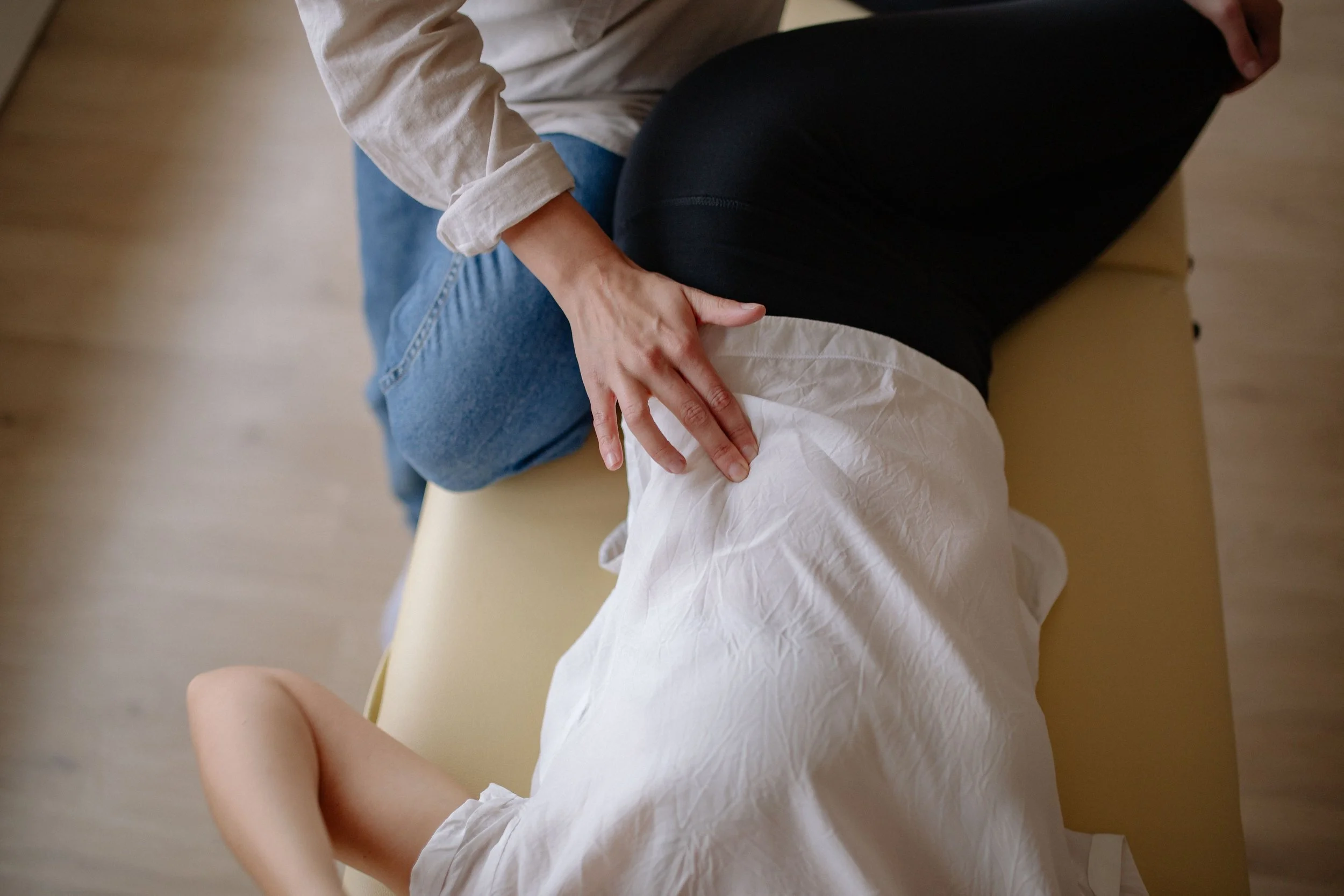
Assisted stretching allows the practitioner to guide a joint or muscle through an appropriate range while controlling position, direction, and intensity.
This approach can target specific muscles and movement restrictions and may be used to improve flexibility, comfortable range of motion, and body awareness.
Post-Isometric Relaxation (PIR)
Post-Isometric Relaxation is a stretching technique that combines a gentle muscular contraction with a subsequent stretch.
The patient performs a controlled contraction against resistance for a short period, relaxes, and is then guided into an appropriate stretch. The technique may be used when the goal is to improve flexibility and comfortable range of motion.
Post-Facilitation Stretching (PFS)
Post-Facilitation Stretching also uses muscular contraction followed by a controlled stretch, but the contraction and stretching sequence differs from traditional passive stretching.
The technique provides another option for addressing muscular tightness and improving flexibility when appropriate for the individual.
Mobility Techniques
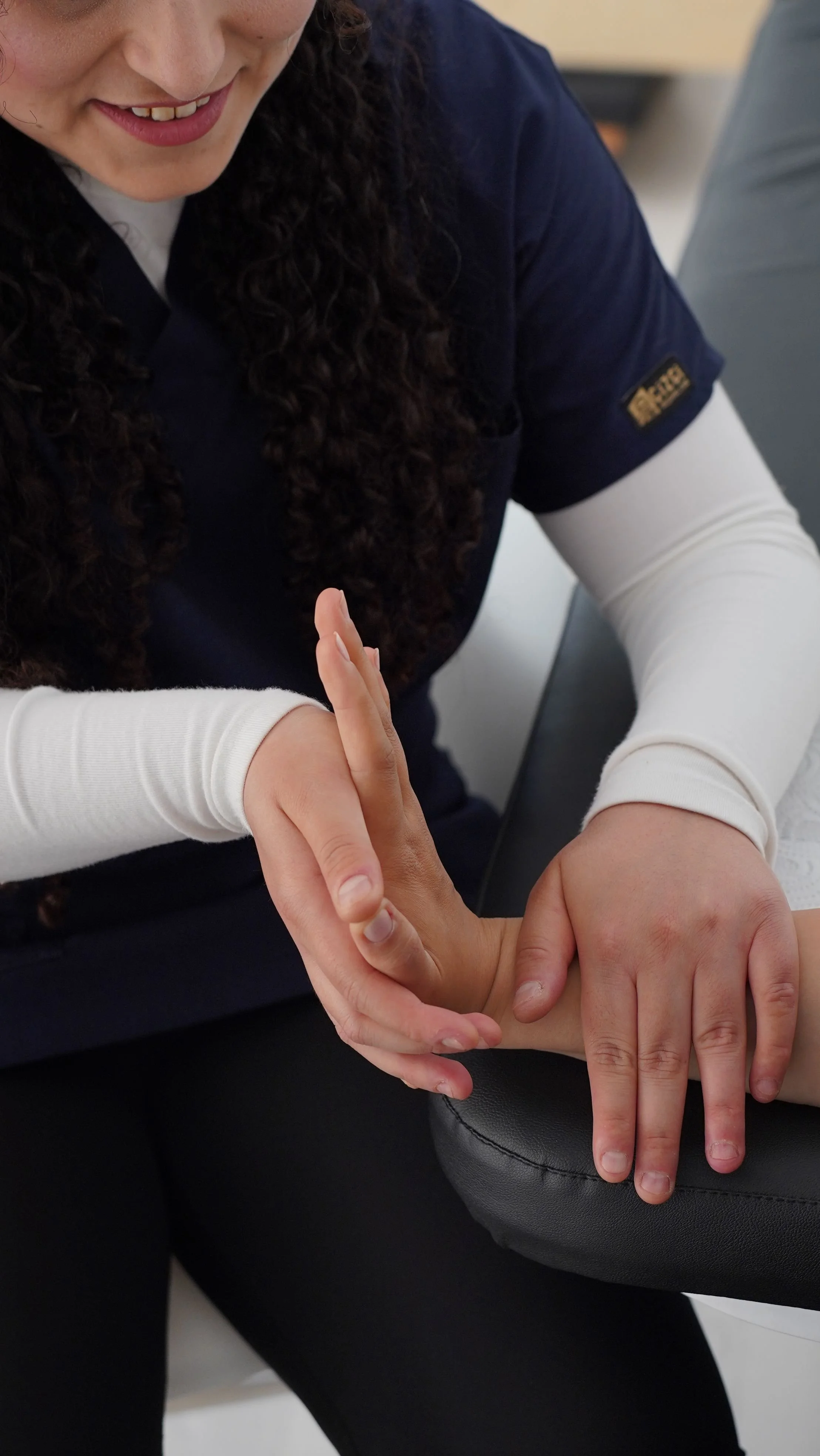
Mobility work combines joint movement, muscular control, and range of motion. Depending on the individual's needs, mobility exercises may be performed actively by the patient, assisted by the practitioner, or incorporated into a home exercise program.
The goal is not simply to become “more flexible,” but to develop usable movement that can be controlled through an appropriate range of motion.